
What Is The Current Stamp Duty?

What Is The Current Stamp Duty?

As of 1st April 2025, the UK has implemented changes to Stamp Duty Land Tax (SDLT) that affect property buyers in England and Northern Ireland.

As of 1st April 2025, the UK has implemented changes to Stamp Duty Land Tax (SDLT) that affect property buyers in England and Northern Ireland. These adjustments, effective from 1 April 2025, have slightly increased the tax burden for some buyers. However, when viewed in the broader context of property purchases, the differences are relatively modest.

If you're interested to see what stamp duty you would pay on your next home, visit the Government Stamp Duty Calculator HERE.

🏡 New Stamp Duty at a Glance


First-Time Buyers


Before: 0% up to £425,000
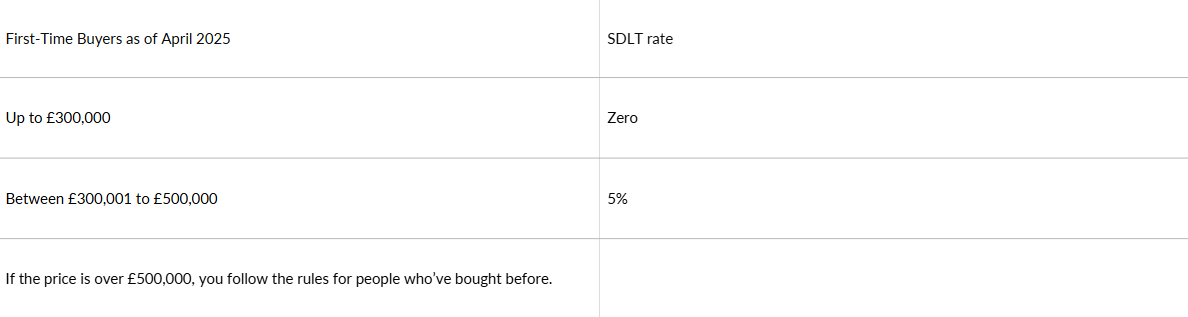
Example: £2,500 SDLT on a £350,000 home (previously £0)


Home Movers


Before: 0% up to £250,000
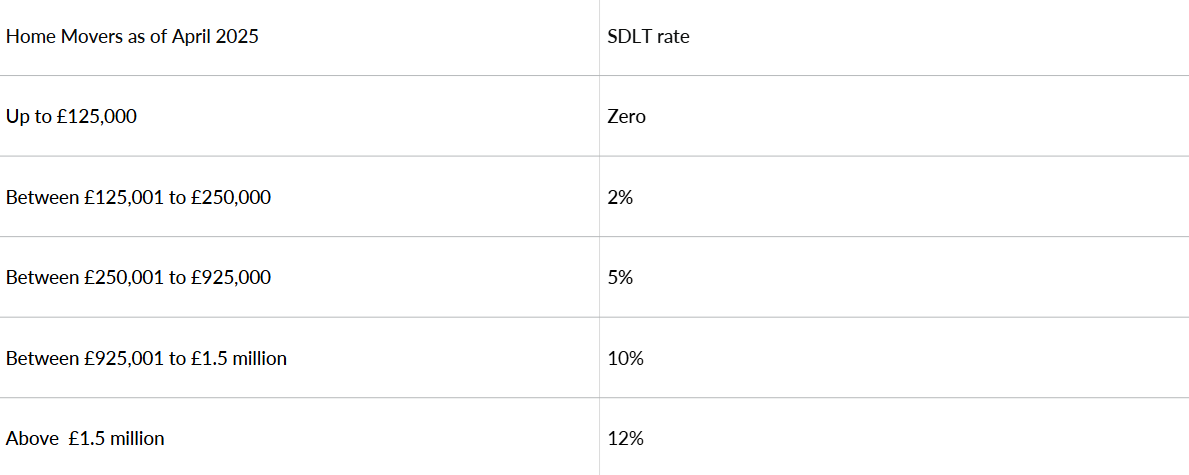
Example: SDLT on a £295,000 home rises from £2,250 → £4,750


Additional Properties
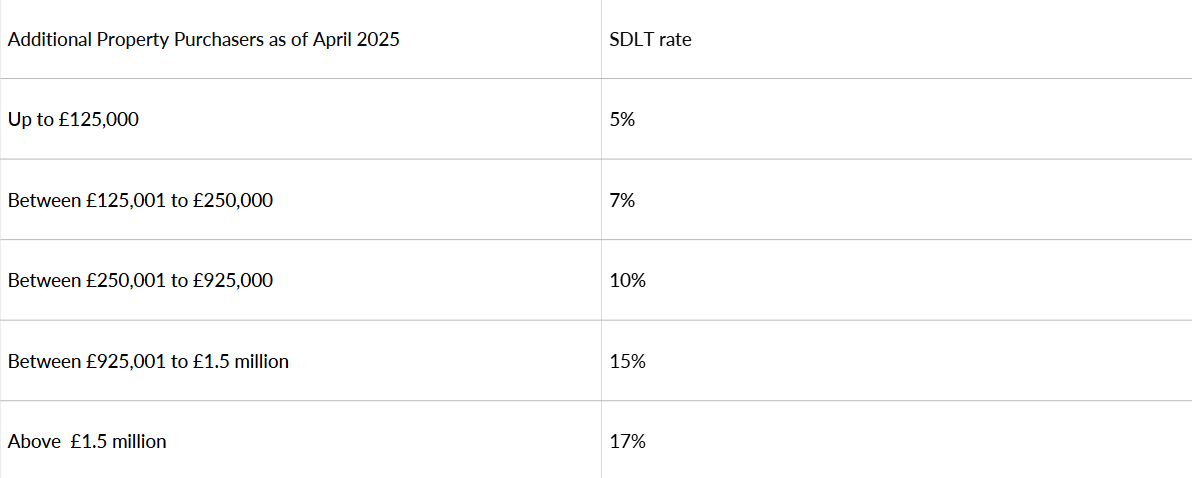


Example: £300,000 purchase now incurs £6,000 more in SDLT
(Note: These Additional Properties rates include the additional 5% surcharge for owning more than one residential property.)


Get in touch with us

If your home has been sitting on the market with no progress, you’re not stuck. Switching estate agents is easier than you think, if you understand your contract and prepare properly. Here’s the truth, the timelines and the process to relaunch with impact.

Following the Renters Rights Act receiving Royal Assent, the Government has now outlined its broad delivery timetable — and Phase 1 is expected to take effect from 1 May 2026.

Buying a home is one of life’s biggest decisions. Whether it’s your first purchase or your fifth, the process can feel daunting, with plenty of pitfalls to avoid. From mortgages and surveys to legal paperwork and negotiations, there’s a lot to take on board. By arming yourself with the right information and working with a knowledgeable local estate agent, you’ll be better placed to make smart decisions and find the home that truly fits your needs.

Rather than singling out landlords, the changes form part of a wider restructure of investment-related taxation. Below is a clear, factual and reassuring summary of the parts most relevant to landlords, and how Love Property can support you through them.